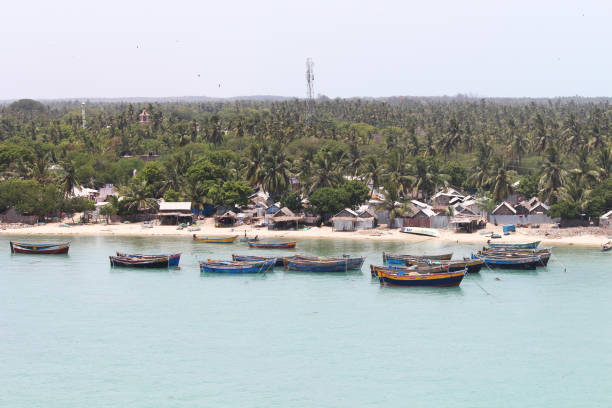
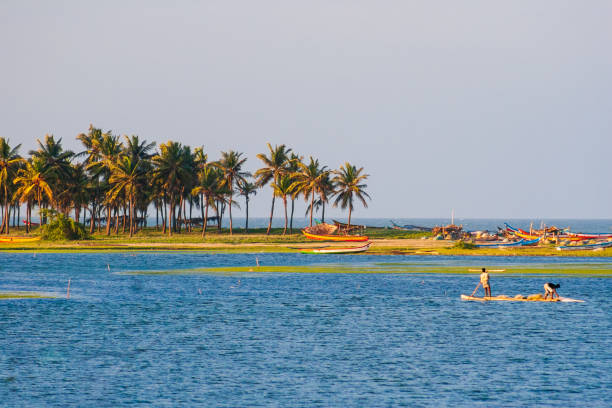
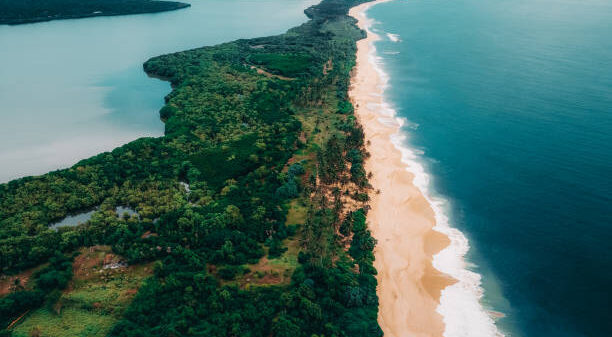
THE KITESURFING CAPITAL OF ASIA
As 2026 unfolds, Kalpitiya has not just maintained its position; it has redefined its identity. What was once a niche corner of Sri Lanka has emerged as Asia’s premier wind-chasing and marine wildlife hub, perfectly balancing high-octane adventure with deep-blue serenity. This year has reached new heights, driven by a global shift toward raw beauty, authentic adventure, and, above all, the peace of mind that comes with responsible exploration.
The Wind Season: Kalpitiya Reaches New Heights
With the summer wind season rapidly approaching, Kalpitiya’s reputation is soaring. Local institutions, such as De Silva Kite School and Kitesurfing Lanka, are reporting record-breaking bookings. The region’s geography remains its greatest asset: the flat-water lagoons provide the ideal, safe environment for beginners, while the challenging waves of the Indian Ocean beckon professional athletes. In 2026, kitesurfing has evolved beyond a hobby into a major economic driver. High-profile professional clinics and international kite-festivals are scheduled, expected to draw athletes and “wind-chaser” communities from across Europe and Australia, solidifying Kalpitiya’s status as a year-round, world-class destination.
Marine Wonders: Beyond the Shoreline and Into the Deep
While the winds dominate the skies, the waters below offer one of the world’s most spectacular and consistent wildlife displays. March marks the peak of the dolphin-watching season, and 2026 has been a banner year for sightings. Massive pods of Spinner Dolphins, numbering in the hundreds, are frequently spotted just a short boat ride from the shore. But the traveler of 2026 is no longer satisfied with just a surface view; they are seeking immersive marine experiences.
A surge in demand for responsible exploration has redefined the local industry. Guided, ethical snorkeling excursions at St. Anne’s Reef allow visitors to drift alongside turtles and vibrant coral formations. For a deeper immersion, scuba diving remains a hallmark of the Kalpitiya experience. Understanding the sensitivity of this ecosystem, local operators have modernized their entire fleets, utilizing quieter, more fuel-efficient engines and electric outboards to minimize the acoustic impact on the resident dolphin and whale populations.
Sustainability: The New Gold Standard for Conscious Luxury
Perhaps the most significant trend of 2026 is the mainstreaming of sustainable travel. The local mantra, “Sustainable travel is the new backpacking,” is evident in every operation. Kalpitiya is leading the way on the island with robust reforestation initiatives, strictly enforced plastic-free zones, and community-led tourism models that ensure the economic benefits of travel reach local families directly.
Resorts and dive centers are increasingly operating on renewable energy, with many integrating “impact travel” programs. Visitors can now spend a morning participating in critical mangrove restoration or coastal cleanup projects, transforming their holiday into a journey of environmental contribution. This shift isn’t just a trend; it’s a response to a global traveler who now demands transparency and accountability from their chosen destinations.
Shifting Demographics and the 2026 Outlook
The visitor profile for Kalpitiya is noticeably shifting. While the area remains a magnet for digital nomads and adventure seekers, there is a growing influx of “conscious luxury” travelers. Following a robust start to the year—with Sri Lanka welcoming over 130,000 tourists in the first two weeks of January alone—Kalpitiya has benefited from high-profile social media campaigns and endorsements from global influencers.
As we look toward the remainder of 2026, the outlook remains exceptionally bright. The government’s Marine Tourism Roadmap has prioritized infrastructure improvements in the region, ensuring that growth remains managed and sustainable. For the traveler of 2026, Kalpitiya offers exactly what the modern world craves: raw beauty, authentic adventure, and the peace of mind that comes with responsible exploration.
Ready to discover the deep? Discover the Deep with Sri Lanka Diving Tours